Classes
Offered or hosted by IDA-SI. Use your CE fund credit toward any of these.

Functional Anatomy: Foot and Ankle
March 19–21, 2027 · 3 days · 415 N Killingsworth St, Portland, OR 97217
Instructor: Amy Bennett
21 CE hours$640.00
$575.00
Early bird price
Through February 5, 2027
Amy Bennett opens her 2027 Functional Anatomy Series at the ground floor: the lower leg, ankle and foot. Over three days, you'll build a clear, three-dimensional picture of how this region is built and how it moves, and leave with practical ways to help clients whose feet and ankles are holding them back. The foot is our first contact with the ground, and how it meets the ground shapes everything above it. Small changes in how the foot takes load and pushes off can show up as knee, hip or back complaints, so time spent understanding the foot pays off far beyond the ankle. What you'll learn: • Anatomy of the lower leg, ankle and foot: bones, joints, and the fascial and muscular layers that move them • Foot biomechanics through the gait cycle, from adapting to the ground to pushing off • The intrinsic muscles of the foot, and how to find and work with them • Observing posture and movement to see how a client's feet and ankles are organized • Hands-on bodywork strategies for common lower-leg, ankle and foot limitations Each day blends lecture and observation with demonstration and hands-on practice, in a small group of no more than 10 with a single instructor. Class runs 9 AM to 5 PM each day, for 21 CE hours. This class runs with a minimum of 4 participants and a maximum of 10. If there is enough interest, Amy may bring on an assistant and open more seats.
Functional Anatomy: Hip and Pelvis
April 17–19, 2027 · 3 days · 415 N Killingsworth St, Portland, OR 97217
Instructor: Amy Bennett
21 CE hours$640.00
$575.00
Early bird price
Through March 6, 2027
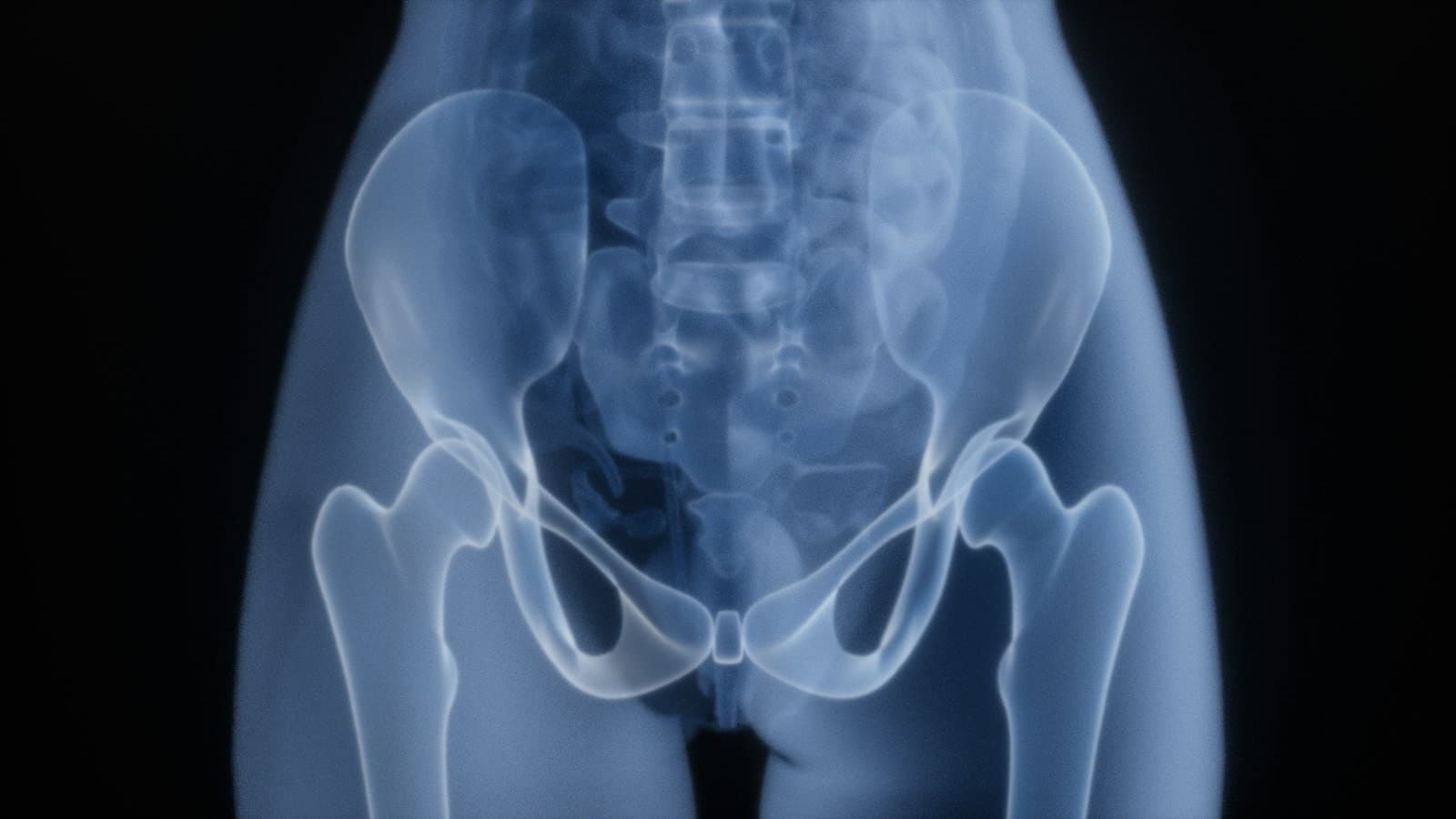
The second class in Amy Bennett's Functional Anatomy Series moves up to the hip and pelvis, the crossroads where the legs meet the trunk. Over three days, you'll explore how the pelvis and femur relate to each other, how that relationship shows up when people walk, and how to work with it skillfully and safely. So much of how we stand, walk and carry ourselves is organized at the hips. Clients with low back pain, hip pain or a gait that just doesn't look easy often have a story that lives here, and knowing the anatomy well lets you read that story and respond to it. What you'll learn: • Anatomy of the pelvis and hip joint, and the relationship between the pelvis and femur • The muscles and fascia that stabilize and move the hip • Observing gait to see how the hips and pelvis are organized • Nerve and vascular pathways through the region, and how to work around them safely • Hands-on strategies for common hip and pelvis patterns • 4 hours of ethics woven through the class Each day blends lecture and observation with demonstration and hands-on practice, in a small group of no more than 10. Class runs 9 AM to 5 PM each day, for 21 CE hours, including 4 ethics hours. This class runs with a minimum of 4 participants and a maximum of 10. If there is enough interest, Amy may bring on an assistant and open more seats.
Listening to Living Bone
May 31 – June 3, 2027 · 4 days · 415 N Killingsworth St, Portland, OR 97217
Instructor: Joy Carey
28 CE hoursNCBTMB approved$1,050.00
$950.00
Early bird price
Through March 1, 2027
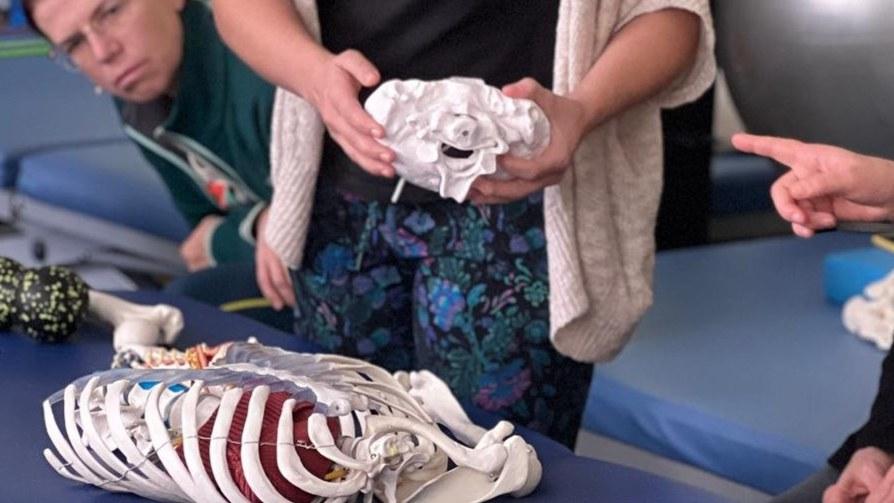
Joy Carey brings Listening to Living Bone to Portland: four days of learning to work with bone, based on Sharon Wheeler's BoneWork. The course is designed for structural integrators and is open to experienced bodyworkers. We often think of bone as the fixed frame that soft tissue moves around. But bone is living tissue that responds to touch, and learning to listen to it opens a new layer of change for your clients. Each day mixes content and research about our bones with labs where you have time to practice the approach. What you'll learn: • Bone as living, responsive tissue, and what current research tells us about it • How to feel for and listen to bone through the surrounding layers • Hands-on BoneWork techniques, practiced in labs throughout the course • How working with bone fits with the structural integration work you already do Each morning starts with about 30 minutes of Physio-synthesis, the movement practice created by Dr. Amy Cochran that Ida Rolf drew on in developing structural integration. On the last day, you'll work in pairs to give each other a full session, so you can start bringing what you've learned into your own way of working and leave the course balanced. Class runs 9 AM to 5 PM each day, with an hour for lunch, for 28 NCBTMB-approved CE hours. Enrollment is capped at 20 with a teaching assistant joining at 10 or more participants.
20 seats left
Details & registration for Listening to Living Bone
Reclaiming the Pelvic Floor: Portugal Retreat
June 16–20, 2027 · 5 days · Loural Ecovillage, Serra do Açor, central Portugal
Instructor: Denise Foster Scott, assisted by Jay Williams & Amy Bennett
24 CE hoursNCBTMB approved$1,000.00
$850.00
≈ €773
Early bird price
+ lodging from $396.00
Through March 31, 2027
For the first time, Denise Foster Scott offers Reclaiming the Pelvic Floor: External Pelvic Floor Manual Therapy as an extended residential retreat: five days and four nights at Loural Ecovillage, a regenerative mountain retreat in Portugal's Serra do Açor. Jay Williams assists, with Amy Bennett joining as a second assistant when the group reaches 20. The pelvic floor is often the missing piece in full healing, connected to everything from chronic back and hip pain to birth trauma and the ways we hold stress and experience. Because silence and shame still surround it, it's also often left out of care. This training brings awareness, skill and confidence to working with the pelvic floor externally, safely and respectfully, with clients of all genders. What you'll learn: • Anatomy and physiology of the pelvis and pelvic floor • Boundaries, consent and clear communication, creating a brave space for this work • Neurobiology, trauma and integrative consciousness: how psychosocial experience shows up in tissue • Pelvic floor pathologies across all genders, and assessing hypertonic and hypotonic patterns • Myofascial assessment and treatment planning • How the pelvic and respiratory diaphragms work together • Fascial release of the pelvic floor, adductors, psoas and hip rotators • Osteo-fascial release of the innominate, sacrum and coccyx • Sidelying, supine and prone techniques • Self-care and somatic embodiment Days combine morning lecture with afternoon demonstration and hands-on trades, in small groups with about one instructor for every eight students. 24 CE hours, including 6 ethics hours. Why a retreat: Denise usually teaches this material in three full days. Spread across five, there's room to absorb it, practice at a steadier pace, and notice what the work brings up in your own body, both giving and receiving. Living, eating and resting together, with time in the forest, the sauna and around the evening fire, gives you space to integrate between sessions and to build real connection with your cohort and teachers. Your total is tuition plus the lodging you choose. Lodging includes four nights and full board: three organic vegetarian meals a day (vegan on request), plus bed, linen and towels. Also included: an environmental tour of the ecovillage, tree planting, sauna and an evening bonfire. Good to know: Loural is alcohol- and drug-free, pets can't come, and there's no laundry service. Bring organic soap and shampoo, trekking shoes, warm layers, a torch (flashlight) and a swimsuit. Everyone signs Loural's liability release on arrival. This retreat runs with a minimum of 12 participants and a maximum of 24.
Functional Anatomy: Abdomen and Thorax
September 17–19, 2027 · 3 days · 415 N Killingsworth St, Portland, OR 97217
Instructor: Amy Bennett
21 CE hours$640.00
$575.00
Early bird price
Through August 6, 2027
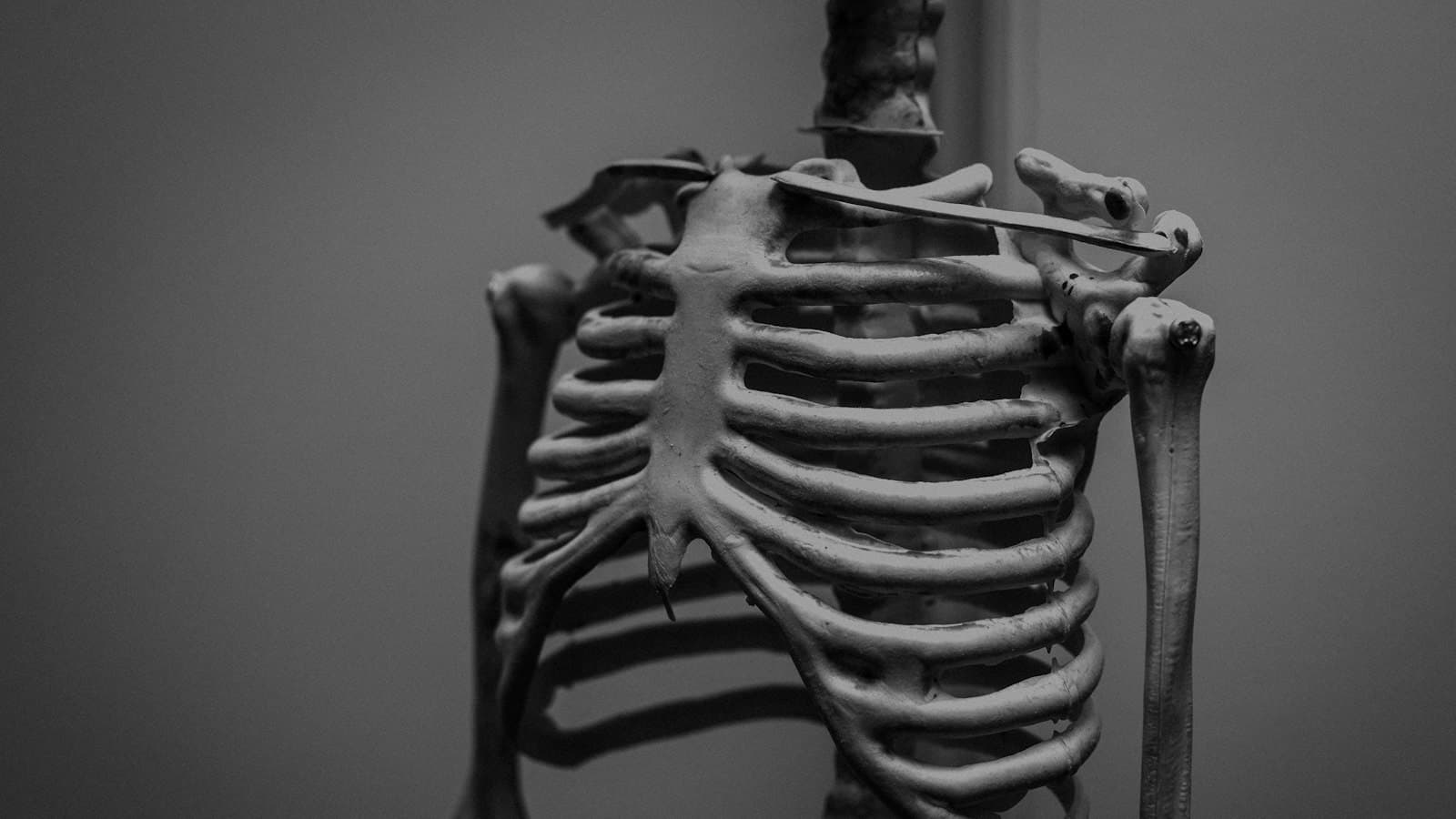
In the third class of her Functional Anatomy Series, Amy Bennett takes on the torso, from the pelvis up to the shoulder girdle. Over three days, you'll look at how the abdomen, ribcage and spine work together to breathe, rotate and support us, and how to bring that understanding into your hands. The torso is where breath, posture and core support all meet. Understanding how the diaphragms work together, how the ribcage relates to the pelvis, and what "core" really means gives you a fuller picture of your clients and more ways to help them. What you'll learn: • Anatomy of the torso from the pelvis to the shoulder girdle • The mechanics of breathing, and how the body's diaphragms work together • Rotation through the trunk, and the relationship between the ribcage and the pelvis • What we mean by "core," and how to work with it • Hands-on strategies for the abdomen, ribcage and back • Practicing clear, ethical language for working in this sensitive area Each day blends lecture and observation with demonstration and hands-on practice, in a small group of no more than 10. Class runs 9 AM to 5 PM each day, for 21 CE hours. This class runs with a minimum of 4 participants and a maximum of 10. If there is enough interest, Amy may bring on an assistant and open more seats.
Layered Integration: A Practical Approach for Working with Scar Tissue
September 20–22, 2027 · 3 days · 415 N Killingsworth St, Portland, OR 97217
Instructor: Joy Carey
24 CE hoursNCBTMB approved$800.00
$725.00
Early bird price
Through July 1, 2027
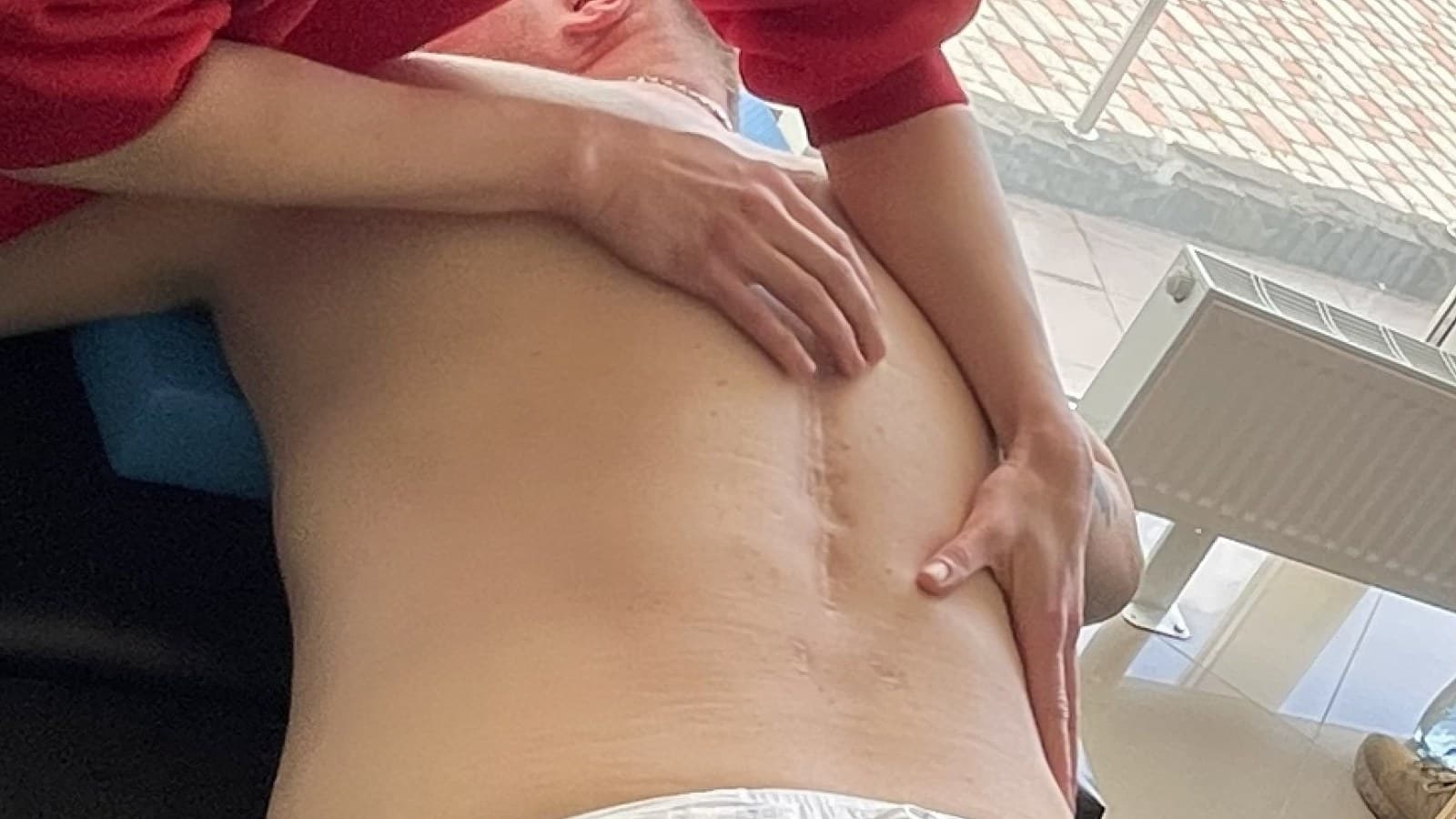
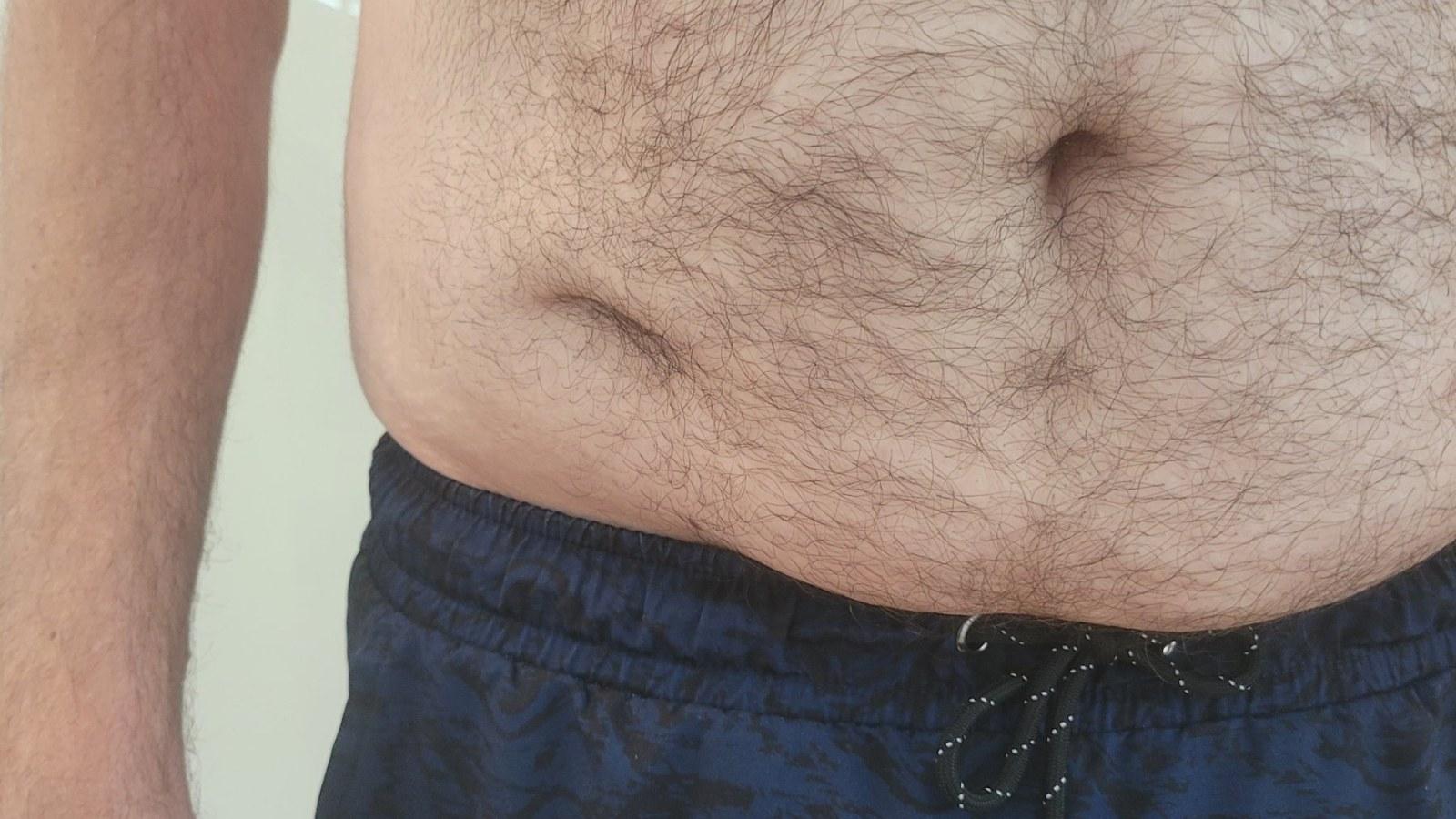
Joy Carey returns to Portland with Layered Integration, her practical, hands-on approach to working with scar tissue. Over three days, you'll learn to find scars, feel them in layers, and help them become part of the body again. Almost every client has a scar, whether from surgery, injury or a long-ago fall, and scars can quietly change how tissue glides and how the whole body organizes around them. Joy's approach starts with how a scar forms, then teaches you to feel its fullness, its shape and the glide between layers, and to choose the right depth for each. What you'll learn: • How scars form, and how they affect the tissue around them • Telling integrated and non-integrated scar tissue apart • Visual and palpatory assessment of scars and the patterns they create • Hands-on techniques that restore glide and adaptability, matched to the layer involved • Safe, gentle strategies for sensitive or complex scars, including in the abdomen, joints and extremities • Bringing scar work into a full session, sequencing it for overall structural organization, and checking what changed Each day combines lecture and demonstration with plenty of hands-on practice. Class runs 9 AM to 5 PM each day, with an hour for lunch, for 24 NCBTMB-approved CE hours. A teaching assistant joins at 10 or more participants. Layered Integration is the foundation for Joy's September scar series in Portland: the Abdominal Scars Class (September 27-28), the Keloid Scar Class (September 29) and the Supervised Scar Clinic (October 1-2).
Abdominal Scars Class
September 27–28, 2027 · 2 days · 415 N Killingsworth St, Portland, OR 97217
Instructor: Joy Carey
16 CE hours$535.00
$480.00
Early bird price
Through July 1, 2027
Building on Layered Integration, Joy Carey spends two days on the scars she sees most often and that ask the most of us: scars of the abdomen. Cesarean sections, laparoscopic ports, appendectomies, hysterectomies and other abdominal surgeries all leave marks that can reach far beneath the skin. Justin Bonner assists. Abdominal scars can affect how the organs glide, how we breathe, and how the low back and pelvis move. They often carry a personal history too, so this work asks for both skilled hands and a careful, consent-based approach. What you'll learn: • How common abdominal surgeries heal, and what lies beneath each kind of scar • Assessing abdominal scars layer by layer, from the skin to the deeper tissues • Gentle techniques to restore glide around abdominal scars, working safely near the organs • How abdominal scars relate to breathing, back pain and pelvic patterns • Clear, trauma-informed communication and consent for working with the abdomen Class runs 9 AM to 5 PM each day, with an hour for lunch. This class runs with a minimum of 8 participants and a maximum of 20, with a teaching assistant joining at 10 or more participants.
20 seats left
Details & registration for Abdominal Scars Class
Keloid Scar Class
September 29, 2027 · 1 day · 415 N Killingsworth St, Portland, OR 97217
Instructor: Joy Carey
8 CE hours$265.00
$240.00
Early bird price
Through July 1, 2027
Keloids and raised scars behave differently from other scars, and they call for a different approach. In this one-day class, Joy Carey, looks at what keloid and hypertrophic scars are, why some people form them, and how to work with clients who have them thoughtfully and safely. What you'll learn: • How keloid and hypertrophic scars form, and how they differ from other scars • Who is more likely to develop keloids, and what that means for your clients • When hands-on work is appropriate, and when to refer • Gentle approaches for the tissue around keloids and raised scars • Listening to the client's history and respecting their relationship with their scar Class runs 9 AM to 5 PM, with an hour for lunch. This class runs with a minimum of 8 participants and a maximum of 20, with a teaching assistant joining at 10 or more participants.
20 seats left
Details & registration for Keloid Scar Class
Supervised Scar Clinic
October 1–2, 2027 · 2 days · 415 N Killingsworth St, Portland, OR 97217
Instructor: Joy Carey
16 CE hours$535.00
$480.00
Early bird price
Through July 1, 2027
The Supervised Scar Clinic closes the scar series with two days of real-world practice. You'll work with volunteer clients who have scars while Joy Carey supervises, giving you the chance to put everything from Layered Integration and the scar classes into practice with support close at hand. Each session follows a full arc: intake, assessment, hands-on work and reassessment. Between sessions, the group debriefs together, so you learn from every client in the room, not just your own. What you'll learn: • Taking a scar-focused intake and history • Planning a session around what you find • Applying layered scar techniques with real clients, with feedback as you work • Reassessing and noticing what changed • Building confidence to bring scar work into your own practice Class runs 9 AM to 5 PM each day, with an hour for lunch. This class runs with a minimum of 8 participants and a maximum of 20, with a teaching assistant joining at 10 or more participants.
20 seats left
Details & registration for Supervised Scar Clinic
Functional Anatomy: Shoulder Girdle and Arm Lines
October 4–25, 2027 · 22 days · 415 N Killingsworth St, Portland, OR 97217
Instructor: Amy Bennett
28 CE hours$850.00
$765.00
Early bird price
Through August 23, 2027
Amy Bennett's Functional Anatomy Series reaches the shoulder girdle and arms in a four-week format: four Mondays in October (October 4, 11, 18 and 25). With a week between sessions, you can take what you learn into your practice and come back with questions. The shoulder is one of the most mobile and most complex regions of the body, and it's closely tied to the neck, the low back and even the pelvis. Learning to see the shoulder girdle as part of the whole body helps you work with shoulder, arm and neck complaints more effectively. What you'll learn: • Anatomy of the shoulder girdle and shoulder joint, and the arm lines that run through to the hand • Observing the shoulder girdle and upper limb in posture and movement • Nerve and vascular anatomy of the shoulder and arm • How the shoulder relates to the neck, low back and pelvis • Hands-on techniques for the shoulder girdle and arms Each Monday blends lecture and observation with demonstration and hands-on practice, in a small group of no more than 10. Class runs 9 AM to 5 PM each Monday, for 28 CE hours across the four days. This class runs with a minimum of 4 participants and a maximum of 10. If there is enough interest, Amy may bring on an assistant and open more seats.
Functional Anatomy: Head, Neck and Jaw
December 4–6, 2027 · 3 days · 415 N Killingsworth St, Portland, OR 97217
Instructor: Amy Bennett
21 CE hours$640.00
$575.00
Early bird price
Through October 23, 2027
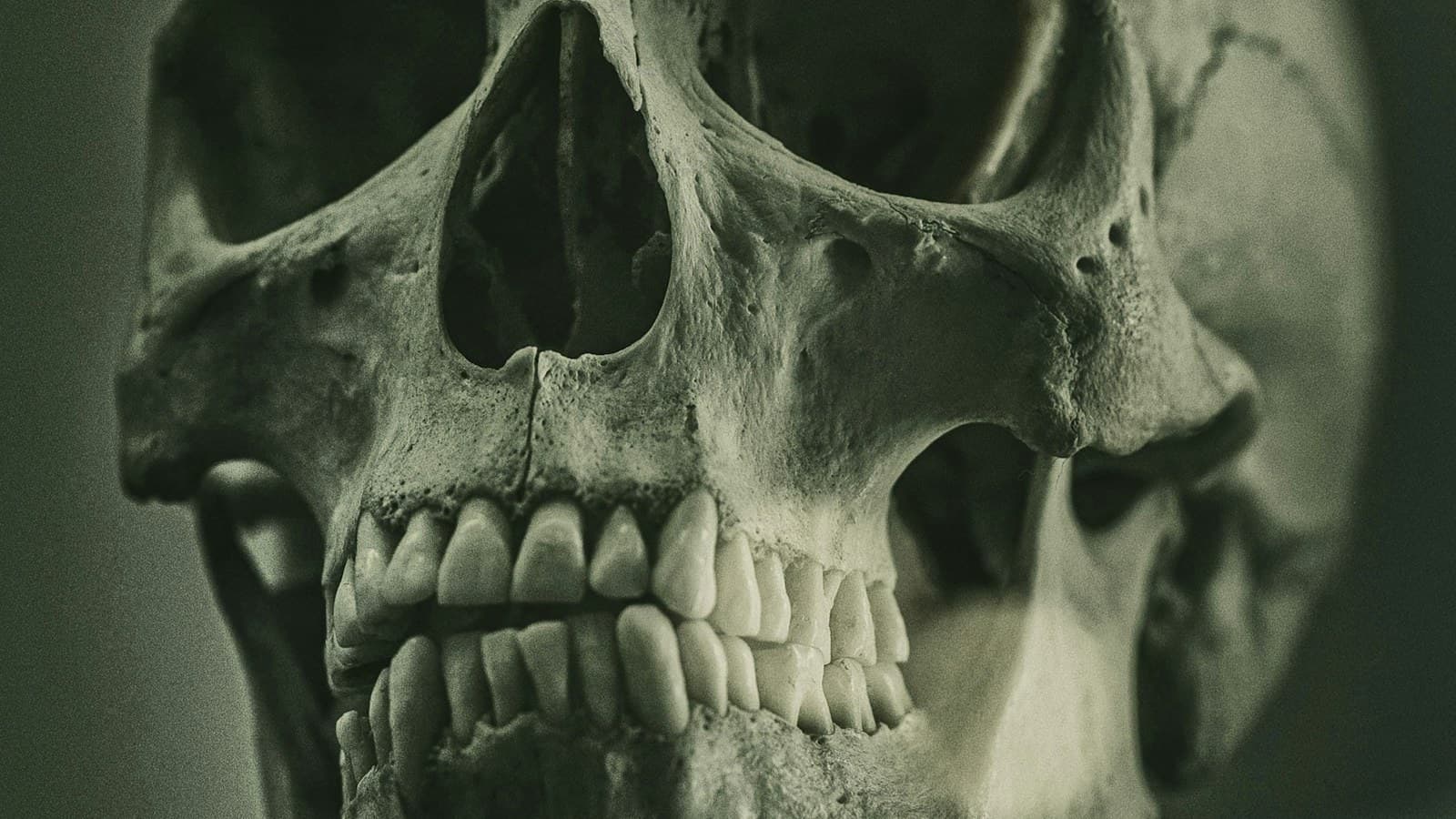
Amy Bennett closes her 2027 Functional Anatomy Series with the head, neck and jaw. Over three days, you'll study the musculoskeletal, nerve and vascular anatomy of this delicate region and practice working in it with care and confidence. Many clients carry tension in the neck and jaw, and the area asks for precise, gentle hands and clear communication. A solid map of the anatomy, and of how the cervical spine moves, helps you work effectively while keeping your clients safe and at ease. What you'll learn: • Musculoskeletal anatomy of the head, neck and jaw • The basics of nerve and vascular anatomy in the region, and how to work safely around it • Cervical spine mechanics • Palpation skills for the neck, jaw and head • Clear, respectful communication for working in this sensitive area Each day blends lecture and observation with demonstration and hands-on practice, in a small group of no more than 10. Class runs 9 AM to 5 PM each day, for 21 CE hours. This class runs with a minimum of 4 participants and a maximum of 10. If there is enough interest, Amy may bring on an assistant and open more seats.